






 2026-07-02 10:00
 By By KESONLY


Which White Metal is Truly Best for Your Ring?
They look identical on day one, but they age in completely different ways. Here is the ultimate guide to choosing your ring's metal.
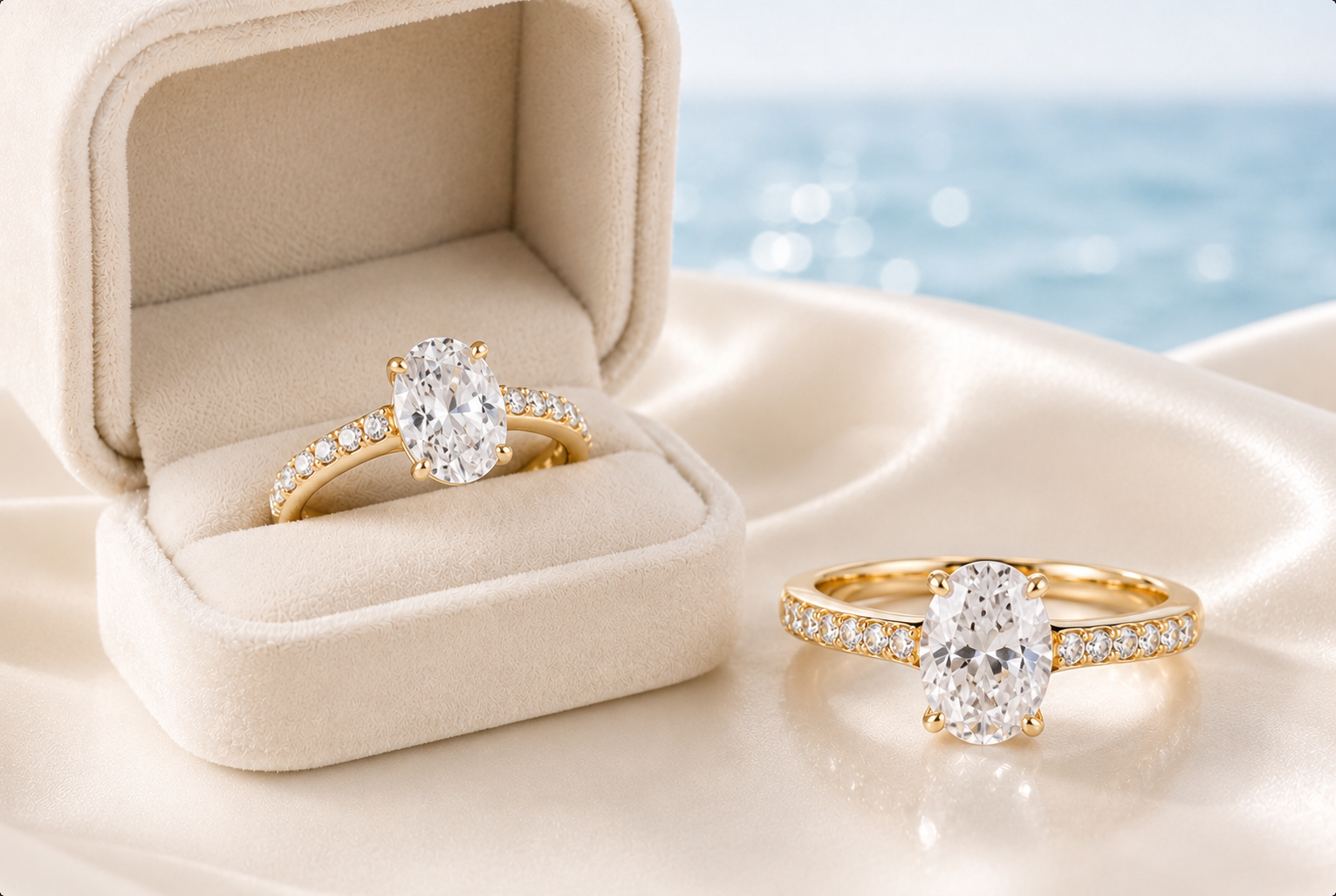
You have finally chosen the perfect diamond and decided on a timeless, silver-toned setting. But right before you complete your purchase, you are faced with a crucial decision: Platinum or 18K White Gold?
If you put a brand-new Platinum ring and a brand-new 18K White Gold ring side-by-side, even a jeweler might have trouble telling them apart with the naked eye. However, beneath the surface, these two metals possess radically different characteristics. At KESONLY, we want to ensure your ring fits not just your budget, but your lifestyle. Let’s break down the ultimate metal showdown.
1. 18K White Gold: The Lightweight Classic
Pure gold is naturally yellow and very soft. To create 18K White Gold, pure gold (75%) is mixed with durable white metals (25%) like nickel, silver, or palladium.
To give it that flawless, mirror-like icy finish, the ring is finally dipped in Rhodium (a precious metal in the platinum family).
- The Pros: It is highly reflective, brilliantly shiny, and generally more affordable than Platinum. It is also lighter in weight, which some wearers find more comfortable.
- The Cons (The "Yellowing" Effect): Over time, the microscopic rhodium plating will wear off, especially on the bottom of the ring where it rubs against steering wheels or door handles. When this happens, the natural, slightly warm-yellow tone of the underlying gold will peek through. You will need to have the ring "re-dipped" (re-plated) every 1 to 2 years to restore its bright white color.
2. Platinum: The Indestructible Heavyweight
Platinum is a naturally white metal. In jewelry, it is usually used in a nearly pure form (90% to 95% purity). It never needs to be plated to achieve its color.
- The Pros: It is genuinely low-maintenance in terms of color—Platinum will never turn yellow. It is also hypoallergenic, making it the only choice for those with extreme nickel or metal allergies. Furthermore, its density makes it incredibly secure for holding precious diamonds in place.
- The Cons (The "Patina" Effect): While Platinum is highly durable, it is actually slightly softer than 18K gold when it comes to surface scratches. Over the years, microscopic scratches create a frosted, matte finish known as a "Patina." Many vintage jewelry lovers adore this frosted look, but if you want it to look mirror-shiny again, it requires a professional polish. It is also heavier and more expensive than white gold.
3. The "Scratch" Difference: A Matter of Physics
Here is a fascinating metallurgical secret: When you scratch 18K White Gold, a microscopic flake of gold is actually shaved off and lost forever.
When you scratch Platinum, the metal doesn't flake off; it merely displaces (moves from one side of the scratch to the other). This means a Platinum ring will rarely lose its structural integrity or weight, even after decades of wear!
4. The Final Verdict: Which Should You Choose?
Choosing between the two comes down to what you value most:
| Choose 18K White Gold If... | Choose Platinum If... |
|---|---|
|
|
Expert Craftsmanship at KESONLY
Whether you choose the brilliant affordability of 18K White Gold or the enduring legacy of Platinum, KESONLY crafts every setting to the highest industry standards.
Still unsure which metal fits her lifestyle? Reach out to our jewelry specialists, and let us help you build a ring that will stand the test of time.
Consult with a Metal Expert