


 2026-09-08 08:50
 By KESONLY


What Makes a Diamond Come Alive
Learn to notice brightness, colored flashes, and changing reflections without losing the pleasure of looking.
A diamond can look calm beside a window and suddenly lively as you walk into a room. A small turn of the hand changes the reflections again. That shifting appearance is part of the appeal: the stone responds to the light and surroundings in which it is worn.
Cut helps shape that response. In a discussion of quality, cut means more than the outline of a round, oval, or rectangular stone. It concerns the fashioned diamond's proportions and finish, and the way its facets work with light.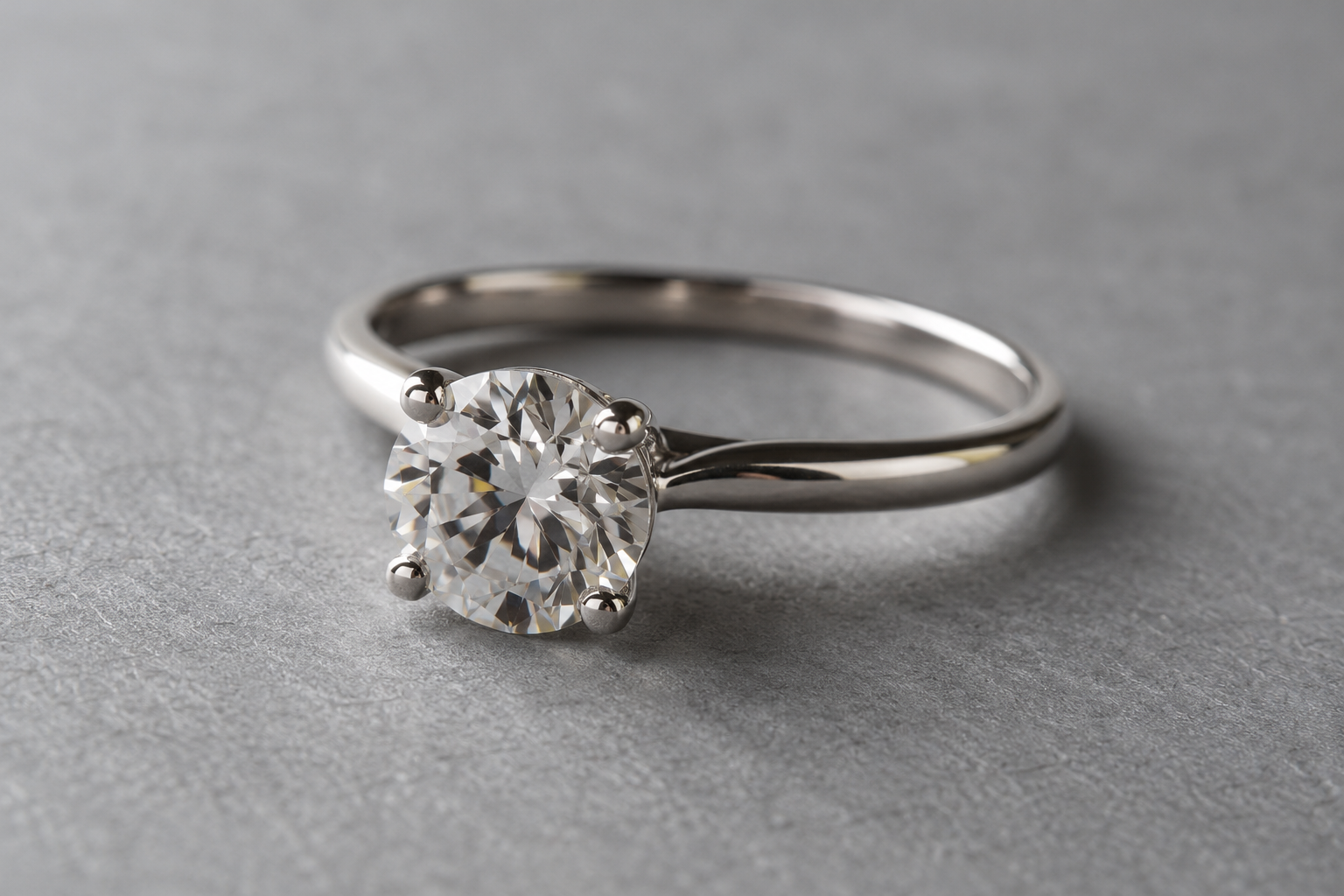
1. Give What You See a Name
Gemologists distinguish several aspects of appearance. Brightness concerns reflected white light. Fire describes colored flashes created as light separates into its component colors. Scintillation includes sparkle and the contrasting pattern of light and dark reflections.
These effects give you useful language, but they are not three separate switches a diamond turns on. When you look at a stone, you experience a changing combination. You may notice a crisp pattern first, then a colored flash as the angle changes.
2. Let the Environment Join the Comparison
Lighting can substantially change a diamond's appearance. Small concentrated light sources can emphasize flashes, while broader illumination can make other aspects easier to observe. The surroundings also contribute reflections; darkness within some facets is not, by itself, a diagnosis of poor quality.
When comparing pieces, keep the conditions as similar as possible. View them at a normal distance, then more closely, and let them move slowly. If available, see them in more than one ordinary lighting setting. Avoid letting a single dramatic photograph make the decision.
3. Read a Grade in Its Proper Context
GIA's established overall cut grade for standard round brilliant diamonds in the D-to-Z color range considers appearance, design, and craftsmanship. Its components include brightness, fire, scintillation, weight ratio, durability, polish, and symmetry. The same grading framework should not be assumed to apply to every diamond shape.
Ask which grading system and report apply to the actual stone you are considering. A grade is useful context; it does not mean every diamond within that grade will present an identical pattern. For shapes outside that framework, clarify how the seller describes and evaluates cut.
4. Notice Your Own Response
Take a little time before deciding which appearance you prefer. Do you enjoy a lively series of small flashes, a particular balance of contrast, or the way the stone looks in the light where you spend most of your day? Those observations can make your questions more precise.
At KESONLY, we believe informed attention enriches the emotional choice. Ask for clear information about the individual diamond, and make room to look at it with your own eyes. The pleasure of a piece often lies in the reflections you will come to recognize.
Bring KESONLY your questions about the individual stone, its documentation, and its appearance.
Talk Through Your Diamond QuestionsContinue reading:
The Architecture of Sparkle · The 3 Diamond Sparkle Profiles · Diamond Anatomy 101