


 2026-09-01 08:30
 By KESONLY


Understanding Where the Story Begins
An informed choice begins with clear language, then leaves room for the meaning you want a piece to carry.
A diamond can become part of a marriage, a birthday, or an ordinary morning made memorable. Before that personal story begins, there is another story to understand: how the diamond formed. Knowing its origin lets you make a choice without asking appearance to answer a question it cannot settle.
For KESONLY, thoughtful jewelry conversations begin with that distinction. There is space for different preferences, provided the description of the stone is clear and the decision belongs to the person who will wear it.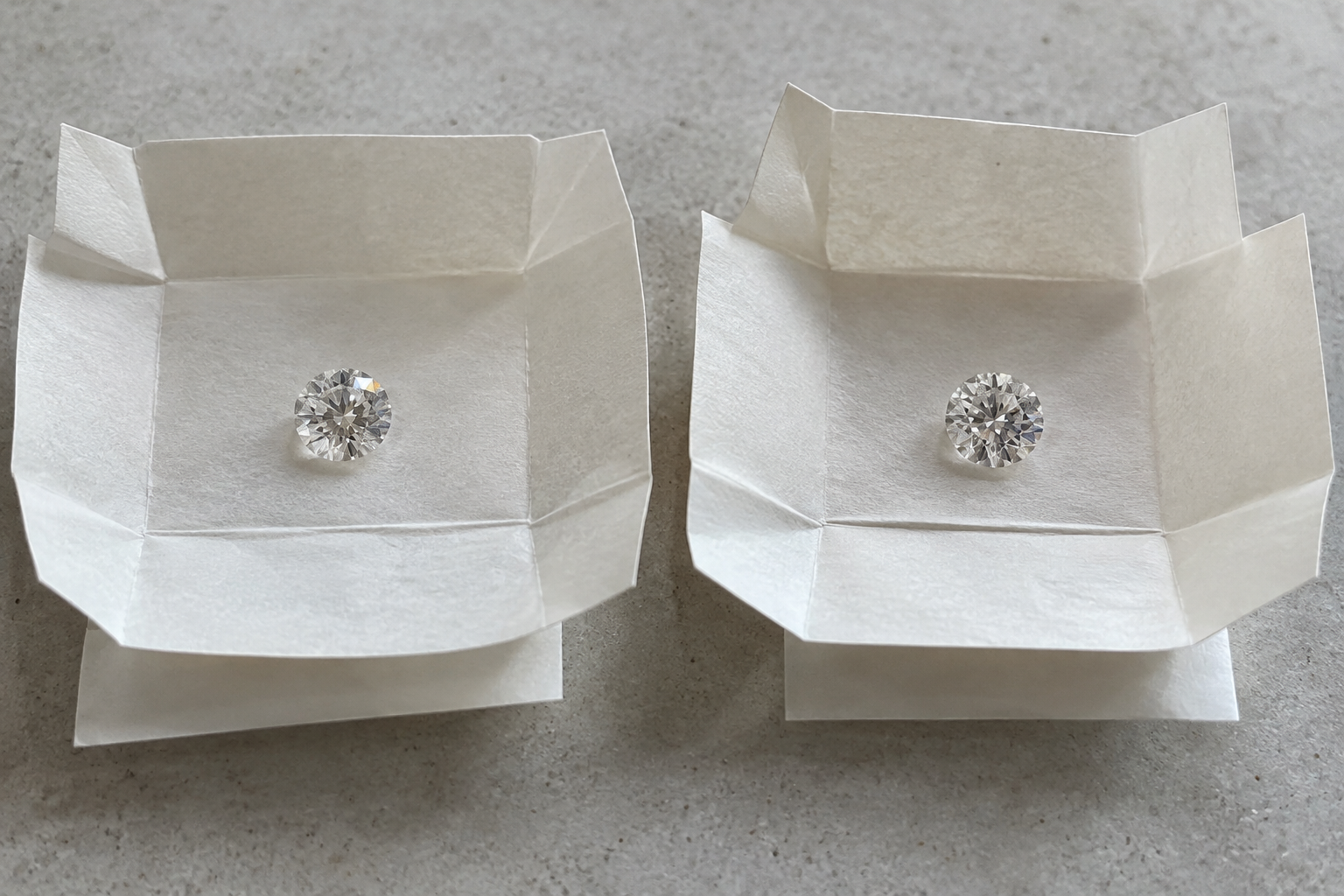
1. Two Origins, One Diamond Material
Natural diamonds form through geological processes within the Earth. Laboratory-grown diamonds are produced through technological processes, commonly high-pressure, high-temperature growth or chemical vapor deposition. They have essentially the same chemical composition, crystal structure, and physical and optical properties as natural diamonds.
A laboratory-grown diamond is therefore different from a diamond simulant, such as cubic zirconia, which resembles diamond but is another material. Those terms should never be used as though they mean the same thing.
2. Let Documentation Answer the Origin Question
A photograph, a bright reflection, or a quick glance across a counter cannot reliably establish whether a diamond is natural or laboratory-grown. Gemological laboratories use specialized examination and testing to determine origin.
When reviewing a piece, read the product description and any accompanying laboratory document together. Ask which stone the document describes, what information it provides, and whether the stated origin is consistent throughout. A beautiful presentation deserves language that is equally precise.
This small pause can make the rest of the decision more enjoyable. Once the material is understood, you can return your attention to the details you will actually live with: the shape you keep looking at, the height of the setting, and the way the piece feels when you put it on.
3. Make Room for Your Own Priorities
Some people find meaning in geological origin. Others are interested in the technology behind laboratory growth. Neither preference tells us how deeply someone loves, how significant a gift will become, or how often a ring will be worn.
Write down what matters to you before comparing individual pieces. Perhaps you want a particular silhouette, a modest setting, clear documentation, or a comfortable total budget. Keeping those priorities visible helps you choose the jewel in front of you rather than an abstract argument about categories.
If an environmental claim influences your decision, ask for evidence relating to the particular producer or product. Origin alone does not supply that evidence.
The diamond's formation is one part of its identity. The meaning you give it begins with an informed, personal choice.
Bring Your Questions to the Conversation
Contact KESONLYContinue reading:
Lab-Grown Diamonds Decoded · Beyond the White Diamond · The Ultimate Diamond Buying Guide